
Tips for First-Time Importers: Preparing Your Cargo for International Transport
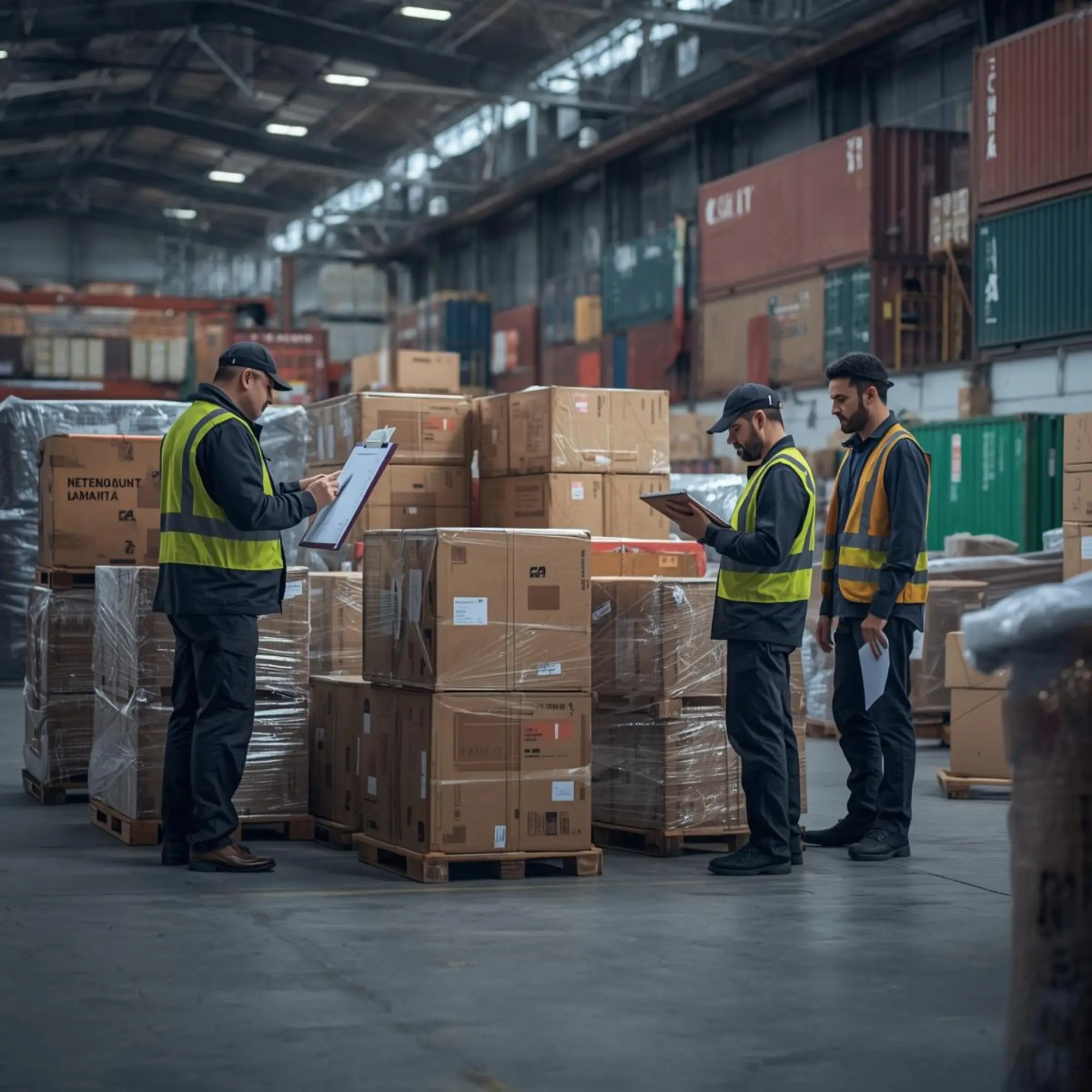
Importing goods for the first time can feel complicated. Many new businesses face unexpected shipping costs, customs delays, or cargo damage simply because they are not familiar with international logistics procedures. Preparing cargo correctly before shipment is the most important step to ensure smooth transportation and successful delivery.
This beginner-friendly guide explains how first-time importers can prepare their cargo properly and avoid common mistakes in international shipping.
1. Understand Import Regulations
Why It Matters
Every country has different import rules. Some goods require permits, certifications, or inspections before entering the destination country. Without approval, customs may hold or reject the shipment.
Always check the import regulations, restricted goods list, and duty rates before purchasing goods from your supplier.
2. Prepare Correct Documentation
Required Documents
- Commercial Invoice
- Packing List
- Bill of Lading / Air Waybill
- Certificate of Origin
- Import License (if required)
- Insurance Certificate
Accurate documents help customs authorities verify cargo details and release the shipment quickly.

3. Proper Packaging and Labeling
Best Practices
- Use strong export cartons or wooden crates
- Protect fragile items with cushioning material
- Shrink-wrap pallets
- Clearly label consignee name and address
- Mark cartons with handling symbols
Good packaging prevents cargo damage and reduces inspection problems at customs.
4. Choose the Right Shipping Method
Sea Freight vs Air Freight
Sea freight is cost-effective for heavy and bulk shipments, while air freight is faster for urgent cargo. The correct choice depends on budget, cargo size, and delivery urgency.
5. Calculate Duties and Taxes
Cost Planning
Importers must pay customs duty, VAT, and clearance charges. Knowing these costs in advance helps avoid financial surprises and shipment holds.
6. Work with a Freight Forwarder
Professional Assistance
Freight forwarders coordinate transport, documentation, customs clearance, and delivery. For first-time importers, using an experienced logistics partner greatly reduces risks and delays.
Preparation Timeline
- 2–3 Weeks Before Shipping – Confirm supplier and cargo details
- 1–2 Weeks Before Shipping – Prepare documents and packing
- Before Departure – Book freight forwarder
- Before Arrival – Arrange customs clearance
Quick Checklist for First-Time Importers
- Verify supplier authenticity
- Confirm product HS Code
- Check restricted goods regulations
- Prepare documents early
- Insure the shipment
- Track shipment regularly
Need Help Importing Your First Shipment?
Our logistics experts guide first-time importers through documentation, shipping, customs clearance, and delivery.
Get Import Assistance